

Enphase 5P vs Tesla Powerwall 3: Which Solar Battery Is Best?
California homeowners face a big choice when adding battery backup to their solar setup: the Enphase IQ Battery 5P or the Tesla Powerwall 3. Both are top-tier systems designed for the state’s changing energy landscape. But they work in very different ways. One uses a modular, stackable approach. The other packs everything into a single powerful box. Your choice affects how much backup power you get, how your system grows over time, and how much you save under NEM 3.0 rules.
The Enphase 5P vs Tesla Powerwall 3 decision comes down to your home’s energy needs. The Enphase IQ Battery 5P is a modular AC-coupled system that stores 5 kWh per unit and offers a market-leading 15-year warranty. The Tesla Powerwall 3 is an all-in-one unit with 13.5 kWh capacity and 11.5 kW of continuous power output. Enphase excels if you want to start small and expand later. Tesla wins if you need maximum power from a single unit for whole-home backup. Both save you money on PG&E and SCE bills while protecting you from power outages.
Ready to compare your options? Schedule a free solar battery consultation with a Solar Educator today.
This side-by-side comparison breaks down the specs, costs, and real-world performance of each system. We will look at how each battery handles backup power, solar self-consumption under NEM 3.0, and long-term value for your California home.
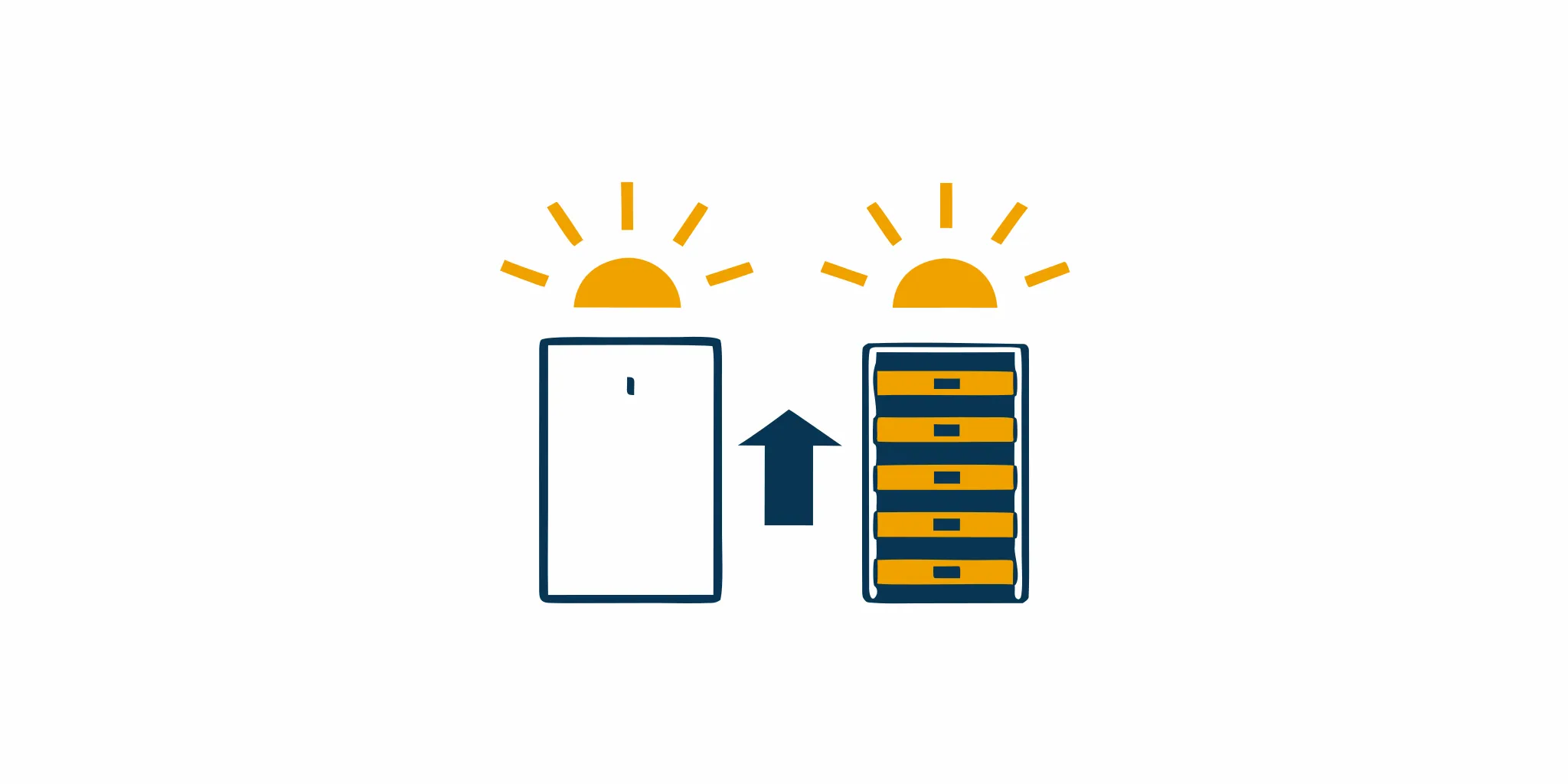
Enphase IQ Battery 5P: Modular Power with a Premium Warranty
The Enphase IQ Battery 5P is an AC-coupled modular lithium-ion battery that stores 5.0 kWh per unit with 3.84 kVA continuous output. It offers a market-leading 15-year limited warranty and is designed for homeowners who want to start small and scale their storage over time.
The Enphase IQ Battery 5P is a top choice for California homeowners who want a system that grows with them. This battery uses an AC-coupled modular design to give you more control over your home energy. Each unit has a usable capacity of 5.0 kWh. You can start small and add more storage later as your needs change. This flexibility is a key part of the home solar battery storage options we offer to help neighbors save on their power bills.
Flexible power for every home
Unlike some systems that use one big battery, the Enphase 5P is modular. You can stack multiple units to reach the exact size you need for your home. This makes it easy to add more backup power if you buy an electric car or install new appliances.
- Continuous power: 3.84 kVA per unit for steady whole-home energy
- Peak power: 7.68 kVA for up to three seconds to start heavy loads
- Modular design: Add units one at a time as your budget and needs grow
- Microinverter tech: Better performance in shaded roof areas
- Bidirectional EV ready: Future-ready for two-way car charging
Since the system uses microinverters, it handles shade better than older batteries. If one part of your roof is in the dark, the rest of your system keeps working at full speed. This makes the 5P one of the most flexible options for home energy today.
Best-in-class warranty protection
One of the best reasons to choose the Enphase 5P is its 15-year limited warranty. This is much longer than the standard 10-year plans seen with most other brands. Enphase covers their battery for 15 years or 6,000 cycles, whichever comes first. This long-term coverage shows how much trust they have in their technology. For people in places like Bakersfield or Fresno, this extended protection is a big win for peace of mind.
A long warranty is not just about a date on a page. It means your system is built to last through the hot California sun and cold nights. Knowing your battery is covered for over a decade helps you feel secure in your choice to go solar.
Future tech and EV charging
The Enphase 5P is also built for what comes next. It is ready for future bidirectional EV charging. This means your electric car could one day send power back into your home battery or the grid. This technology is still new, but buying a battery that is ready for it now saves you from needing a replacement later.
Working with an expert helps you choose the right fit for your energy storage system size and goals. We make sure your setup meets all local rules and helps you get the most from NEM 3.0 savings. Our team has served the Central Valley for over 18 years.
Tesla Powerwall 3: All-in-One Energy for the Whole Home
The Tesla Powerwall 3 is an all-in-one home battery with a built-in solar inverter, delivering 13.5 kWh usable capacity and 11.5 kW of continuous power. It offers whole-home backup out of the box and handles large loads like central AC units with a 185 LRA starting rating.
The Tesla Powerwall 3 is a big step in home energy. It brings solar power and battery storage into one clean system. This all-in-one design makes it a top choice for people who want a simple but strong power source. If you want to compare battery backup solutions, the Powerwall 3 is a great place to start. It works well for new solar setups and whole-home backup needs alike.
High power for California homes
California homes often have big power needs. A single Powerwall 3 unit gives 11.5 kW of continuous AC power. This is about three times more power than what you get from a single Enphase 5P battery. With this much power, you can run large items like air units or well pumps. It helps keep your life normal even when the grid fails in your area.
- Continuous power: 11.5 kW enough for most whole-home loads
- Load start rating: 185 LRA for heavy motors and AC compressors
- Built-in inverter: Handles up to 20 kW DC solar input per unit
- Scalable: Stack up to 4 units for 54 kWh total capacity
- Integrated backup: Works with Gateway 3 or Backup Switch
One key feature is the 185 LRA load start power. This means the battery can start heavy motors that need a big surge of energy to get going. Many large AC units and well pumps need this extra boost. For families who rely on medical equipment, having this power is important.
Integrated solar and battery technology
The all-in-one label comes from the built-in solar inverter. In older systems, you needed an extra box to change solar energy into the kind of power your home can use. The Powerwall 3 does all of this in one sleek case. This design cuts down on the number of boxes on your wall and makes the installation much faster.
This battery is also built to handle large solar arrays. It can take up to 20 kW DC of solar input per unit. This makes it a great fit for big homes with many solar panels. It ensures you capture as much sun as you can during the day. This extra energy goes into the battery or runs your home at night.
Flexible backup and storage
The Powerwall 3 comes with a 10-year limited warranty through Tesla. Each unit has 13.5 kWh of usable energy. If you need more storage, you can stack up to four units together. This gives you a total of 54 kWh of energy to power your whole home for days.
It works well with the Gateway 3, Backup Switch, and Backup Gateway 2. These tools help the battery cut off from the grid safely during a blackout. This means your home stays bright even when your street is dark. We guide you through the choice of which switch fits your panel best.
Enphase IQ Battery 5P vs Tesla Powerwall 3: Head-to-Head Comparison
When comparing the Enphase 5P vs Tesla Powerwall 3, the key differences come down to capacity, power output, warranty length, and scalability. The Tesla Powerwall 3 delivers more power per unit with 11.5 kW continuous and 13.5 kWh capacity. The Enphase 5P offers superior flexibility with modular 5 kWh units and a longer 15-year warranty.
Choosing the right battery depends on your home’s energy needs and your backup goals. Both the Enphase IQ Battery 5P and the Tesla Powerwall 3 offer great technology. But they use different approaches to keep your lights on. You can compare top home solar batteries with our team to find the best fit for your home.
| Feature | Enphase IQ Battery 5P | Tesla Powerwall 3 |
|---|---|---|
| Usable Capacity | 5 kWh per unit | 13.5 kWh per unit |
| Continuous Power | 3.84 kVA per unit | 11.5 kW |
| Peak Power | 7.68 kVA (3 sec) | 11.5 kW |
| Warranty | 15 years | 10 years |
| System Design | AC-coupled modular | All-in-one with inverter |
| Solar Input | Microinverter-based | Up to 20 kW DC |
| Load Start Rating | Standard | 185 LRA |
| Max Units Stacked | Unlimited in parallel | Up to 4 units |
| Bidirectional EV Ready | Yes | Not available |
Power and backup performance
The Tesla Powerwall 3 is built for high power. It gives 11.5 kW of steady output, enough to run large appliances like central AC or well pumps. It also has a high load start rating of 185 LRA to start big motors when the grid goes down. If you have a large home, this power helps you maintain normal life during an outage.
The Enphase IQ Battery 5P takes a different approach. Each unit gives 3.84 kVA of steady power. While one unit is smaller, you can stack many of them together. This flexible design lets you add exactly as much power as you need. Enphase users often install three or four 5P units to match whole-home backup needs.
Storage size and design
Tesla uses an all-in-one setup for the Powerwall 3. It holds 13.5 kWh of energy in one box with a built-in solar inverter that can handle up to 20 kW of solar input. This makes the installation clean and simple. Tesla’s larger size means you need fewer boxes on your wall, saving space in your garage.
Enphase units are smaller at 5 kWh each. This makes it easy to start small and grow your setup later. It is an AC-coupled system, so it works well with existing solar panels too. Enphase’s smaller units allow for more precise sizing. You do not have to buy more storage than you will actually use. This step-by-step approach works well for homeowners who want to expand over time.
Warranty and long-term value
The warranty is where Enphase stands out. It comes with a 15-year limited warranty, much longer than what most brands offer. Tesla offers a 10-year warranty, which is standard in the solar industry. Both brands cover defects and energy throughput over time.
Enphase is also looking ahead. The 5P model is built for two-way car charging, meaning your electric vehicle could power your home in the future. Tesla does not offer this on the Powerwall 3 yet. Contact us today to discuss which battery fits your long-term energy goals.
Which Solar Battery Is Right for Your California Home?
Choose the Tesla Powerwall 3 if you need whole-home backup from a single unit with high power output for heavy loads. Choose the Enphase IQ Battery 5P if you want modular flexibility, a longer warranty, and the ability to expand your storage over time.
Choosing the best solar battery for your home in California is a big decision. Many people in the Central Valley and Antelope Valley feel the sting of high power rates from PG&E and SCE. The choice of an Enphase 5P vs Tesla Powerwall 3 depends on your home size, how you use power, and your budget.
Energy storage for your home size
One of the first things to look at is how much energy you need to store. The Tesla Powerwall 3 is a large unit that holds 13.5 kWh of usable energy. This is a great fit for larger homes that use a lot of power. You can even link up to four units if you need extended backup during multi-day outages.
On the other hand, the Enphase IQ Battery 5P is built to be expandable. Each unit holds 5.0 kWh of energy. This smaller size lets you start with just what you need right now. Before you make a decision, sizing your energy storage system is a key step to make sure you do not pay for more than you will use.
Matching backup power to your household loads
The type of equipment you want to run when the grid is down also matters. The Tesla Powerwall 3 delivers 11.5 kW of steady power with a 185 LRA load start rating. This means it can start large items like a central AC unit or a well pump without any trouble. If you have these heavy loads, the Powerwall 3 is often the best pick.
Enphase technology wins in different scenarios. It uses small microinverters for each part of the system, which is helpful if your roof has shaded spots. While one Enphase 5P unit provides 3.84 kVA of steady power, you can install multiple units to match the total power you need.
Why Battery Storage Matters Under NEM 3.0
Under California’s NEM 3.0 net billing tariff, solar export credits are reduced by roughly 75%. Battery storage allows homeowners to store excess solar energy during the day for use at night, maximizing self-consumption and reducing reliance on grid power during peak rate hours.
Maximizing solar value
California’s Net Billing Tariff, known as NEM 3.0, changed the math for home solar. Before, the grid acted like a giant battery that paid you well for extra power. Now, the state has cut those export credits by about 75%. This shift makes it hard to get a good return on solar without a battery.
Nearly 60% of new solar systems in California now include storage. Storing your own solar power lets you use it at night instead of buying it from the power company. Whether you choose the Enphase 5P or Tesla Powerwall 3, the goal is to power your own home and reduce your grid dependence.
Protection from rising utility costs
By keeping your power, you can save an extra $20 to $30 every month on top of your solar savings. This makes a battery a smart financial move, not just a backup tool. Families in Southern California feel the pinch from high energy prices.
Major utilities like PG&E and SCE have raised rates regularly in recent years. Many homeowners now seek a residential solar installation to gain control over their costs. A battery helps you load shift, meaning you use your own power during peak hours when grid rates are at their highest.
Energy security and local expertise
Beyond savings, a battery provides peace of mind during outages. Having a backup system ensures your lights stay on and your food stays cold when the grid fails. Installing these systems requires local knowledge. Every city has its own permitting rules and requirements.
Sun Solar Pros has spent 18 years working with building departments in over 40 California cities. Our team handles the permit process for you. We make sure your battery is installed safely and to code. Contact our Solar Educators to learn more about NEM 3.0 battery solutions.
Professional Installation Makes the Difference
Proper installation by a certified professional ensures your battery system performs safely, meets local building codes, and qualifies for warranty coverage. Sun Solar Pros brings over 18 years of experience as a NABCEP-certified installer and SunPower Master Dealer.
Choosing between the Enphase 5P and Tesla Powerwall 3 is only half the battle. To get the most from your energy storage, you need a high quality installation. Sun Solar Pros brings over 18 years of local experience to every job. As a NABCEP-certified team, we know how to handle the technical needs of both Enphase and Tesla systems.
Expert permitting and local knowledge
Setting up solar and battery storage in California involves many rules. This is even more important under NEM 3.0. We have spent nearly a decade as a top partner for solar technology. Our team manages complex permitting across more than 40 cities in the state. We take care of the paperwork so you do not have to worry about local building codes or utility delays.
Professional installation is also key for those who need commercial solar installations or large home systems. We offer $0 down financing to help you start right away. With plans starting at just $99 per month, getting a professional installation is easier than ever.
Reliable power backup you can count on
A battery is more than just a way to save money. It is a tool for safety. A professional installation ensures your battery kicks in automatically when the grid goes down. This keeps your refrigerator running, your lights on, and your home comfortable.
Ready to start saving? Schedule your free consultation with a Solar Educator today. Our team will help you compare the Enphase 5P vs Tesla Powerwall 3 and find the perfect fit for your home.
Frequently Asked Questions
Can the Tesla Powerwall 3 power my air conditioner during a blackout?
Yes, the Tesla Powerwall 3 delivers 11.5 kW of continuous power with a 185 LRA load start rating. This allows it to start and run heavy loads like central air conditioning units without grid power. According to Tesla’s specifications, it is built to handle whole-home loads during an outage.
Can I add more Enphase 5P batteries to my system later?
Yes. The Enphase IQ Battery 5P uses a modular AC-coupled design that allows you to start with a single 5 kWh unit and add more batteries as your energy needs grow. This expandability makes it ideal for homeowners who want to start small and scale their storage over time.
How long does a solar battery last during a power outage?
Battery runtime depends on your energy usage and the total capacity installed. A single Tesla Powerwall 3 holds 13.5 kWh of energy, while an Enphase 5P holds 5 kWh per unit. Running essential loads like lights, a refrigerator, and electronics, a fully charged system can last 12 to 24 hours or more.
Which battery has a better warranty?
The Enphase IQ Battery 5P offers a 15-year limited warranty, significantly longer than the 10-year warranty on the Tesla Powerwall 3. Both warranties cover defects and energy throughput. If long-term coverage is your priority, the Enphase 5P is the stronger choice.
Ready to Choose Your Solar Battery?
Waiting to add a battery to your solar setup means you keep paying high rates to your power company every month. Taking control of your energy costs starts with one conversation. Our expert team at Sun Solar Pros helps you find the right fit between the Enphase IQ Battery 5P and the Tesla Powerwall 3.
Schedule your free solar battery consultation today. Call +1 (661) 264-6964 or connect with a Solar Educator online to get started.