

How to Read Electric Bill for Solar: California Guide
Learning how to read electric bill for solar planning starts with your PG&E or SCE statement. It is more than an amount due. It is the most useful starting point for understanding how your California home uses energy before you request a solar proposal. Sun Solar Energy Solutions helps homeowners read bills as an energy record: kilowatt-hours used, when power is used, what plan applies, and which future changes may affect demand.
Schedule a solar quote review with Sun Solar Pros and bring your latest 12 months of electric usage.
Quick answer: To learn how to read electric bill for solar planning, gather 12 months of PG&E or SCE statements and find your monthly kWh use. Rate plan, time-of-use periods, delivery and generation charges, recurring fees, credits, and any true-up details. Sun Solar Pros uses this bill review to discuss appropriately sized solar and battery options without promising that solar eliminates every utility charge.
How to read electric bill for solar planning in California
A solar discussion should start with usage, not a salesperson’s guess. On a PG&E or SCE statement, locate the billing period and kilowatt-hours used during that period. A kilowatt-hour, commonly written as kWh, is a unit of energy consumption. It gives a clearer baseline than the dollar amount because charges may change with rates, fees, credits, and time-of-use rules.
Use this five-part bill scan
- Usage history: Gather a full 12 months so summer cooling or a mild month does not distort the picture.
- Rate plan: Find the name of your plan and whether it uses time-of-use periods.
- Charges: Note delivery, generation, fixed, minimum, or other recurring charge lines shown on your bill.
- Credits or true-up lines: If you already have solar, identify imported energy charges and qualifying export credits or annual settlement information.
- Future electricity needs: Write down planned changes such as an EV, heat pump, electric water heating, pool equipment, or home addition.
This article is a practical preparation guide, not a forecast of rates or savings. California billing programs and utility statement formats can change. Your current statement and applicable utility disclosures are the right sources for plan-specific details at the time of your consultation.
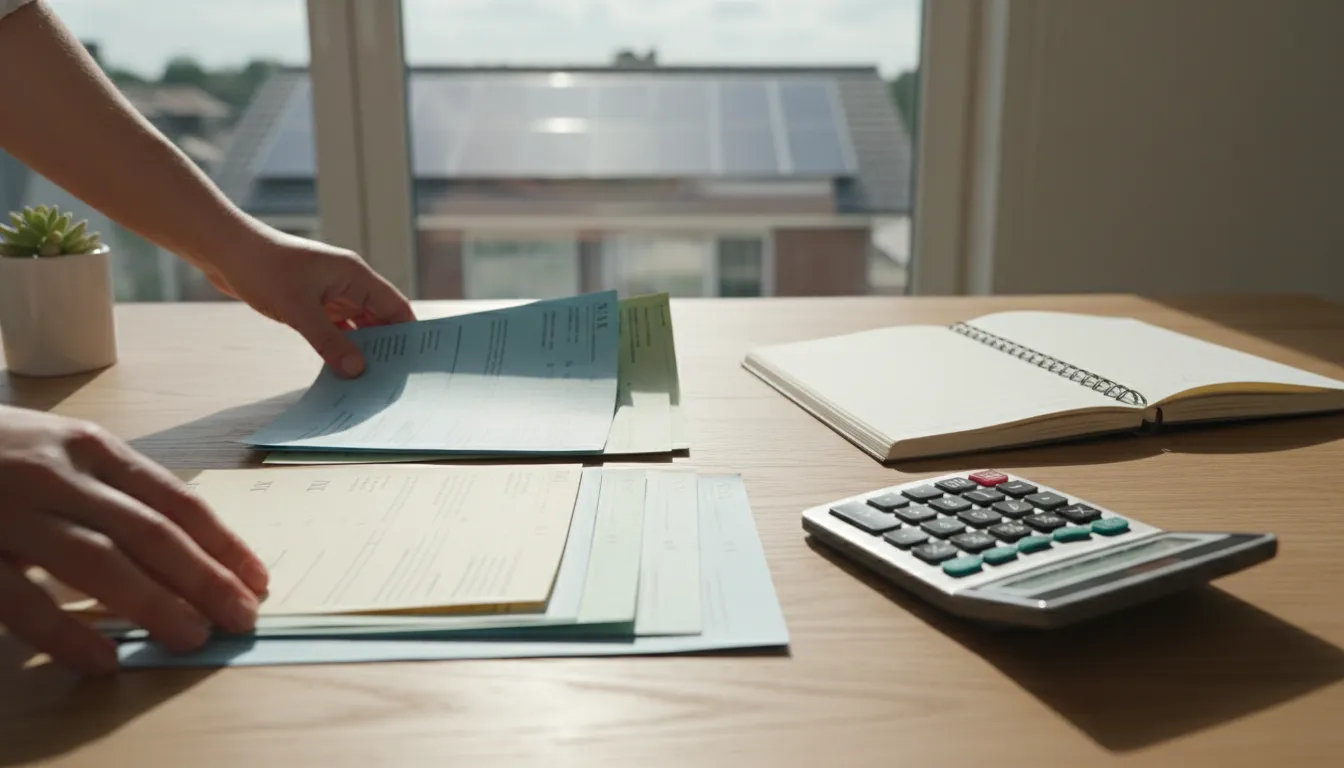
How to read electric bill for solar: check kWh history
The amount due matters for budgeting, but it combines several items. Monthly kWh use tells you how much electricity the home consumed. When you list kWh month by month, you can see the seasonal pattern that solar design discussions need.
Why twelve months makes the review more useful
One bill can reflect unusual weather, travel, holiday guests, or temporary equipment use. Twelve months can reveal consistent summer peaks, winter heating use, or stable year-round demand. This history is a useful starting point for discussing whether electricity use tends to occur while panels are producing or later in the evening.
Do not remove months that look inconvenient. Mark unusual periods and explain the reason if you know it. A recent EV purchase, new air conditioner, pool pump schedule, or working-from-home change can be important context. An honest record supports a better conversation than a selectively low baseline.
A simple worksheet to prepare
| Bill detail. | What to copy down. | Why it matters. |
|---|---|---|
| Monthly usage. | kWh for each of the past 12 months. | Shows seasonal energy patterns. |
| Rate plan. | Plan name and time-of-use periods. | Shows when imported power may be billed differently. |
| Utility and provider. | PG&E or SCE and any listed generation provider. | Clarifies bill structure. |
| Existing solar lines. | Export credits, settlement, or true-up notes. | Provides context for an existing system. |
| Planned loads. | EV, heat pump, pool, remodel, battery goals. | Helps discuss expected future use. |
The worksheet keeps each bill detail tied to a reason for collecting it. This makes a consultation faster and helps you compare the same information across proposals.
If you are starting the solar process, review what residential panels can do on the Sun Solar Pros residential solar page. Bring this worksheet to a consultation rather than relying only on a monthly dollar amount.
What do rate plans, delivery, and generation charges mean?
A bill may separate the cost of delivering electricity through the grid from the cost of producing or procuring that electricity. If a different energy provider is listed, the utility may still deliver electricity while another entity supplies generation. Read each line as it appears on your bill rather than assuming every household has the same arrangement.
Time-of-use plans make timing visible
Many California customers see time-of-use periods on their statements. These plans distinguish energy use by time of day. Solar panels generally produce during daylight hours, while many households use more electricity after work in the evening. That is why a bill review should identify both the amount of energy used and the applicable plan periods.
Sun Solar Energy Solutions can use these details to discuss a design around the home’s use pattern. A bill cannot by itself prove what system you should purchase. It does show the questions to ask: When is electricity used? Are evening needs consistent? Is outage resilience a priority? Would a storage discussion be relevant?
Do not confuse credits with a guaranteed zero bill
Solar homeowners may continue to see utility statements and certain charges. If your statement contains solar credits, imported energy, export energy, or true-up information, review it with the utility explanation for your plan. The California Public Utilities Commission provides public information on the Solar Billing Plan and Net Billing Tariff. Sun Solar Pros takes an educational approach and does not promise that a system removes every recurring utility charge.
Explore residential solar with Sun Solar Pros after you identify your kWh usage and rate plan.
How should you read solar credits and true-up information?
If you already have solar, your bill has another role: it can show energy imported from the grid and eligible credit information for electricity exported under your plan. Older and newer solar billing arrangements may not be identical. Look for the labels used on your specific statement, then refer to PG&E, SCE, or CPUC resources for the program that applies to your account.
Monthly statements and settlement periods
A monthly statement may show current charges or credits. A settlement or true-up process may summarize eligible amounts over a longer period under the applicable tariff. If you are evaluating an update or battery, collect statements and production monitoring when available. A monitoring app may show production, while the bill records grid exchanges and charges.
Keep the bill labels with your notes
When you copy down credits or settlement details, keep the exact label printed on the bill. Bring that label to your consultation. It helps a Solar Educator separate utility language from assumptions about future results. If a line item is unclear, ask the utility or your advisor to explain it before treating it as savings or a recurring cost.
How bill data helps size solar and battery storage
A sound proposal starts with actual energy history and stated goals. A 12-month kWh record helps a professional understand household demand through different seasons. Your plan information helps frame when power is used. Your expected future loads help prevent a system discussion from being limited to yesterday’s household.
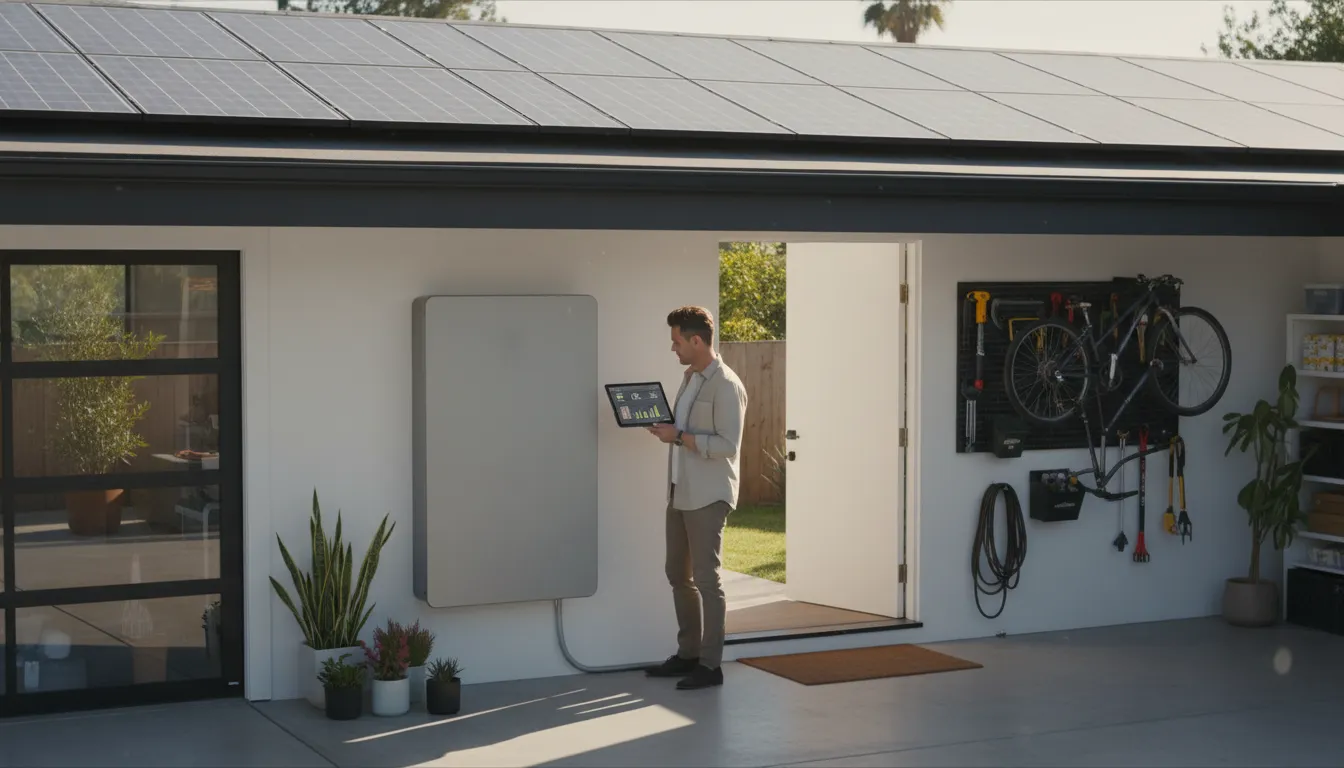
When a battery conversation may make sense
A home battery may be worth discussing when a homeowner wants backup power. Uses significant energy after solar production hours, or needs to consider current California solar billing rules. It is not a one-size-fits-all recommendation. To prepare, identify evening use patterns, outage priorities, critical appliances, and whether a future EV or electric appliance is planned.
For an overview of storage options, visit the Sun Solar Pros home battery storage page. A Solar Educator can then review bill data alongside roof, equipment, and lifestyle factors.
Battery sizing is not based on one bill total alone. Tell the advisor which circuits matter during an outage and when your household typically uses power. Those details help frame an informed storage conversation.
If you want backup power, make a short list of essential items, such as refrigeration, lighting, communications, or medical devices. This list adds useful context before a storage discussion begins.
Questions a useful proposal should answer
- What twelve-month usage baseline was used, and were planned future loads included?
- Which rate plan details were considered when discussing solar or battery usage?
- What charges may remain on the utility bill after solar installation?
- What assumptions are being used for credits, household behavior, and storage operation?
- How will the proposed system support goals such as lower grid reliance or backup power?
What should you gather before requesting a solar quote?
Good preparation helps keep a consultation straightforward. Sun Solar Pros can explain the bill-reading process in plain language, but the homeowner supplies the most valuable starting evidence: current usage and goals.
Solar quote bill checklist
- Twelve complete months of electric statements or an exported usage-history report.
- Your PG&E or SCE rate plan name and any time-of-use period labels.
- Monthly kWh totals, plus notes about unusually high or low months.
- Any existing solar, export-credit, or true-up information shown on the statements.
- A list of planned electrical changes, including an EV, battery interest, heat pump, pool pump, or remodel.
- Your goals, such as bill stability, backup power, or planning for new electric loads.
Keep private account identifiers protected when sharing documents electronically. A Solar Educator usually needs usage and plan information to begin the discussion, not an unredacted public copy of every personal detail.
How to compare proposals using the same bill record
Keep the same twelve-month record for each solar conversation. Ask each provider which usage totals were included, how the rate plan affected the discussion, and whether planned new loads were included. A clear proposal should state its assumptions in plain terms. If it includes storage, ask whether the goal is evening energy use, outage planning, or both.
Before scheduling your review, check that each statement shows the full billing period and monthly kWh total. If a month is missing, request a usage history from your utility portal. A complete record keeps the discussion grounded in your actual home.
Request a solar quote discussion with Sun Solar Pros using your completed bill checklist.
Frequently asked questions about California solar bill reviews
How do I read my electric bill before going solar?
Start with twelve months of kWh usage, your utility and rate plan, any time-of-use periods, and the line items for charges and credits. Add planned household changes, such as an EV. Sun Solar Energy Solutions can use that information to discuss solar or battery options based on your energy pattern.
Will I still receive an electric bill after installing solar panels?
Yes. Grid-connected solar customers generally continue to receive utility statements. Depending on the account and plan, statements may include fixed charges, imported electricity charges, and eligible credits for energy sent to the grid.
Why does a solar professional ask for twelve months of bill history?
A complete year shows seasonal highs and lows and reduces the risk of basing a proposal on an unusual month. It also helps identify changes that should be discussed before a solar system is evaluated.
Does a battery change how my bill should be reviewed?
It makes energy timing and household goals especially important. Review time-of-use information, evening grid use, and backup-power priorities before discussing whether home storage may fit your needs.
Schedule a practical solar bill review with Sun Solar Pros
Knowing how to read electric bill for solar planning helps you ask better questions before choosing a system. Gather your usage history, rate plan, and future energy goals, then talk with a local team that puts education first. Sun Solar Energy Solutions can review your PG&E or SCE bill context and discuss solar and battery options for your California home.