

Microinverters vs String Inverters for CA Homes
An afternoon roof shadow can change the inverter choice for a California home. When comparing microinverters vs string inverters, homeowners need to weigh roof conditions, monitoring, future batteries, and expansion plans rather than choosing from a product name alone.
Request a solar design consultation to compare inverter options for your roof.
Your right fit depends on shade, budget, service priorities, plans for extra panels, and whether a battery is part of your California energy plan. The quick answer below puts those tradeoffs side by side first.
Microinverters vs string inverters: the quick answer
Microinverters convert power at each solar panel, while a string inverter routes a linked group through one central unit. The right fit depends on roof shade, layout, monitoring needs, future expansion, and starting cost. Both perform the key job of converting solar power from DC to AC for home use.
At-a-glance comparison
Neither inverter type is right for every home. A simple, sunny roof may support a string inverter design. A roof with several planes or shade may benefit from a panel-level approach. Use these points when talking through a system design.
| Decision point | Microinverters | String inverter |
|---|---|---|
| Power conversion | At each panel. | At one central unit. |
| Roof layout | May suit varied planes. | May suit open roof space. |
| Monitoring | May show each panel. | May show combined output. |
| Expansion | Review panel additions. | Review inverter capacity. |
| Starting cost | Often higher up front. | Often lower up front. |
What should guide the choice?
Start with the roof, not the hardware name. Note shade from trees, vents, chimneys, or nearby buildings. Also note roof sections facing different ways. Guidance on microinverters and string inverters explains why roof layout can matter in design.
Next, think about how you will use system data. Panel-level detail may help when a roof has mixed sun conditions. A simpler production view may be enough on a clear roof with one main plane. For a refresher, review how solar inverters convert power.
Key takeaway: choose after a site-specific design review, not from a single rule of thumb. In Central and Southern California, the discussion can cover roof conditions, energy goals, battery plans, and long-term system service.
How do microinverters vs string inverters handle shade?
Shade is rarely uniform on a California roof. A tree branch, vent, chimney, or second roof plane may affect one panel while nearby panels stay in open sun. The key difference in microinverters vs string inverters is how each design handles those panel-to-panel differences.
Panel-level conversion with microinverters
Solar panels produce direct current, and inverters convert DC power to AC power for use in a home. With microinverters, that conversion happens at each panel rather than at one central unit. This creates a panel-level response when shade reaches only part of an array.
If a leaf pattern or roof vent shades one panel, its microinverter handles that panel’s output. Other panels have their own conversion points. For that reason, microinverters are often considered for roofs with partial shade or complex layouts.
Shared conversion with string inverters
A string inverter receives power from a linked group of panels and converts it at a central point. Shade on part of that group can affect how the connected string operates. This matters when trees cast moving shadows or roof features split sunny areas during the day.
- Trees: Branches may shade different panels as the sun moves across the roof.
- Vents and chimneys: Small roof features can create focused shade on a limited area.
- Mixed orientations: East-facing and west-facing panels receive sun at different times.
- Open roof planes: An even, unshaded area may make string design simpler to assess.
What a shade review should check
Neither inverter type removes shade. A sound design starts by mapping where shade falls, when it falls, and which panels it may reach. The installer can then compare equipment layouts for that roof, rather than selecting hardware from a general rule.
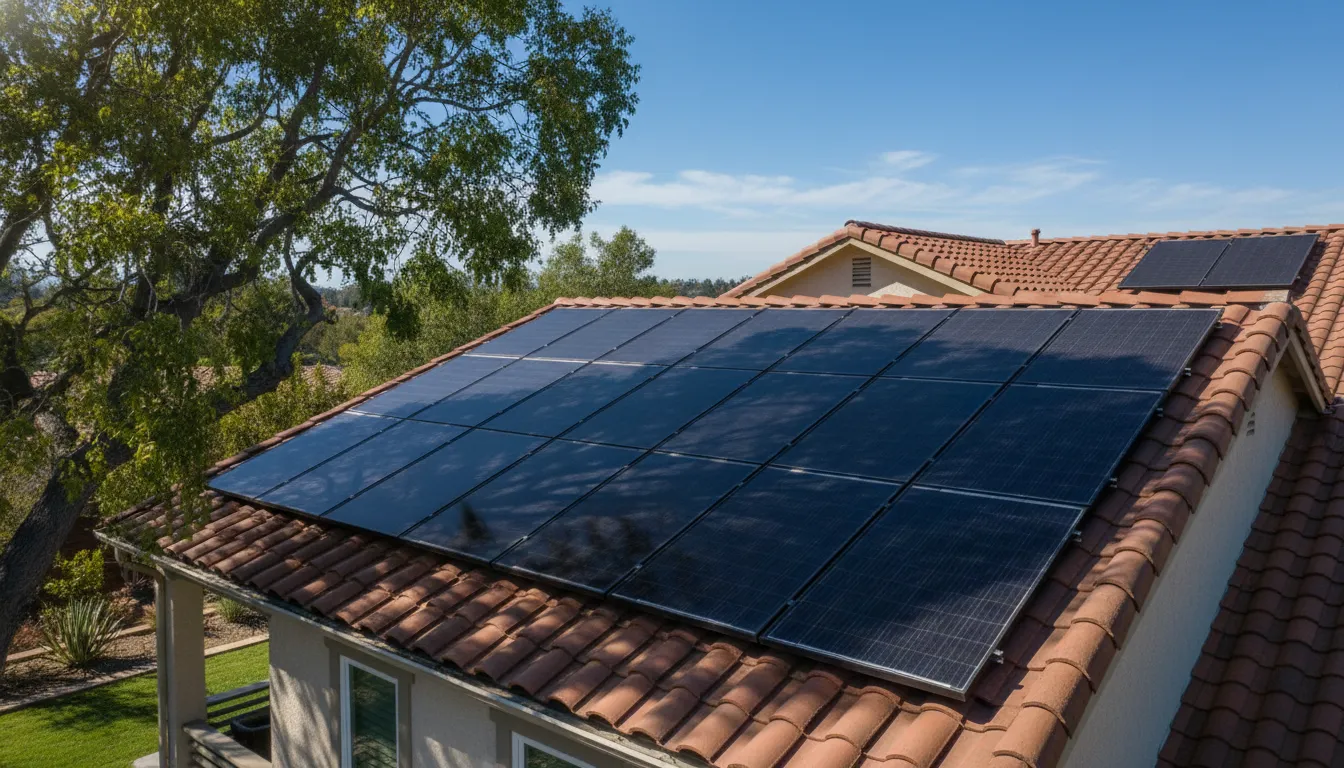
For Central and Southern California homes, roof shape, nearby trees, tile placement, and future trimming plans may all guide the discussion. A site-specific residential solar system design can show how panel placement and inverter choice fit the home’s actual shade pattern.
Monitoring and maintenance tradeoffs homeowners should expect
When weighing microinverters vs string inverters, the day-to-day difference is often how a system reports a problem. Both designs depend on an inverter to turn panel output into power used at home. A technical review on renewable energy inverter conversion explains this core DC-to-AC role.
Panel-level visibility
With microinverters, conversion happens at each panel, so monitoring can point to a specific panel. That view can help when one panel shows low output while nearby panels appear normal. A homeowner may still need a trained service team to find the cause. Shade, debris, wiring, or equipment trouble can be involved.
More detail does not mean more home repairs. Roof-mounted equipment should be inspected by a trained technician. The benefit is a clearer starting point for a service call. The monitoring view may narrow the area that needs inspection.
Centralized service access
A string inverter gathers conversion at a central unit. That design can give a technician one inverter location to check during service. Monitoring may first show an array-level issue instead of naming one panel. Finding the cause can require checks across panels, wiring, and site conditions.
Neither setup removes routine attention. Sun Solar Pros uses a full-service, educational approach. The team helps homeowners understand alerts and choose the next step. Homeowners planning long-term care can review solar maintenance and service before selecting system equipment.
A practical troubleshooting plan
Before choosing an inverter design, ask what the monitoring portal displays and who receives its alerts. Also ask how service visits work after a warning appears. Clear answers help compare convenience with the detail shown on screen.
- Check the alert: Note the date, error text, and any panel or system view shown in the app.
- Look from the ground: Note visible shade or debris, but do not climb onto the roof or touch equipment.
- Share useful details: Send screenshots and recent changes to the service team before an inspection.
- Request an explanation: Ask whether the issue affects one panel, one circuit, or the full system.
The right tradeoff is practical. Panel-level data may help isolate an issue. A central inverter may make the first equipment check simpler. An installer should explain both service paths in plain language before design choices are final.
Which inverter design fits a California home’s priorities?
An inverter is not a side detail in a home solar plan. Panels produce DC power, while household equipment uses AC power. Technical research explains why inverters are needed for that conversion.
Start with the roof
For microinverters vs string inverters, start with the roof, not a product label. Ask whether each roof plane receives light in the same way. Trees, chimneys, tile roof shapes, and several roof planes can change the design discussion.
A simple, open roof may support a simpler inverter plan. A roof with shifting shade or several panel groups calls for a closer look. First scan cue: note shade and roof planes before comparing equipment.
A five-point design check
No single inverter layout fits every California home. Use these steps to organize a design review without assuming a result or a fixed price.
Check shade and roof planes. Mark trees, vents, chimneys, and panels that would face different directions. This shows where panel-level planning may matter.
Set the upfront budget priority. If first cost drives the choice, ask for both design paths. Compare equipment, labor scope, monitoring, and service access on the same proposal.
Choose a maintenance preference. Some owners want panel-level visibility, while others prefer fewer roof-mounted parts. Ask how a technician would find and address a fault in each layout.
Discuss later expansion. If an addition, electric vehicle, or more panels may be ahead, state that now. The designer can check whether today’s layout leaves room for that plan.
Plan for storage early. If backup power or future battery storage is important, include it in the first design talk. Inverter and storage choices should be reviewed as one home energy plan.
Hardware and service priorities
Equipment should be reviewed in context, not chosen from one feature alone. Homeowners comparing inverter technology options can also review premium solar panel and inverter brands before a site-specific design meeting.
Final scan cue: bring roof shade, budget, maintenance, expansion, and storage goals to the consultation. The useful answer is the design that matches those needs and the home’s actual conditions.
Enphase microinverters California homeowners may consider
Panel-level conversion for roof design
For homeowners comparing Enphase microinverters California options, the first question is not the brand alone. It is whether panel-level equipment fits the home’s roof planes, shade pattern, and plans for solar use.
Solar panels produce DC electricity, while household loads use AC electricity. Research on power electronic inverters explains why this conversion is needed in renewable energy systems. In a microinverter setup, the conversion happens at each panel, according to this inverter comparison.
That panel-level layout may be worth reviewing when roof planes face more than one direction. It can also suit a site where a tree or roof feature affects part of the array. A varied roof calls for careful design, not a blanket equipment choice.
Monitoring as a planning factor
Panel-level monitoring can give a homeowner a detailed view of the system. A service team may use that view when reviewing the reporting from each panel. This can make a discussion about array behavior more specific during long-term service.
Monitoring is a tool, not a promised outcome. It does not, by itself, set future production or savings. Homeowners can ask what information the monitoring platform shows. They can also ask who reviews alerts and handles service questions after installation.
Premium equipment and final fit
Enphase may appear in a homeowner’s review of premium solar equipment. Sun Solar Pros lists hardware brands while comparing inverter technology options for a system plan. Premium equipment should still match the site, rather than serve as a shortcut for design.
A system review should consider roof layout, electrical design, storage plans, budget, and service needs. For some homes, panel-level architecture is a sensible option to study. For others, a string inverter design may fit the project plan. The final selection depends on the designed system and homeowner priorities.
Battery readiness and future system expansion
Battery planning starts with power flow
When homeowners compare microinverters vs string inverters, battery planning belongs in the same system discussion. Solar panels make DC power, while homes use AC power. An academic review hosted by the National Library of Medicine explains why inverters are needed for that conversion.
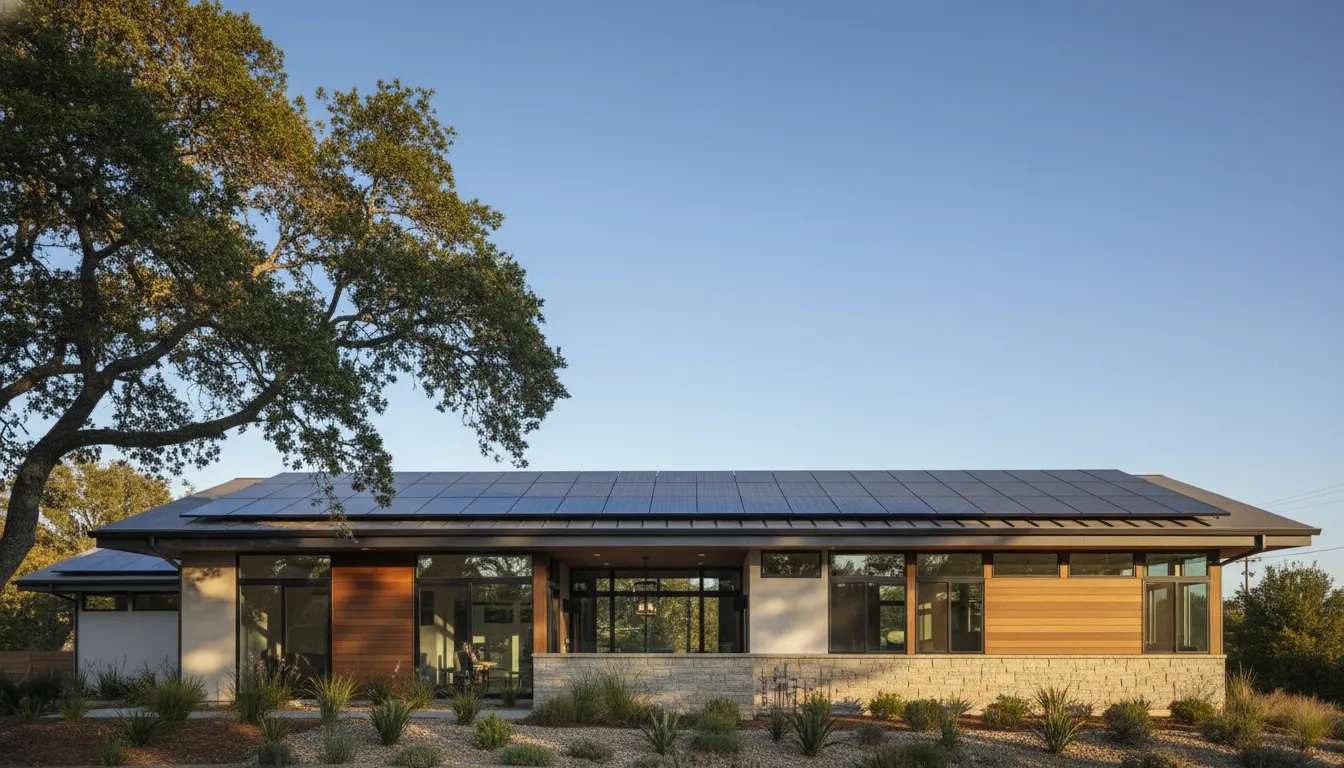
Battery readiness: A design consultation can map how solar, inverter equipment, storage, and the home electrical panel may work together. Homeowners considering backup needs can explore home battery storage as part of that plan. The goal is not to promise a later add-on. It is to discuss equipment fit, space, loads, and upgrade choices before installation.
Planning for possible panel additions
Future panels: A household may later use more power because of an electric vehicle, an addition, or new appliances. An initial design review can identify roof space and electrical limits that could shape a later project. It can also compare panel-level inverter design with a central inverter design.
Microinverters place conversion at each panel, while a string inverter uses a central conversion point for connected panels. That difference can matter when an owner asks about adding panels later. Still, no inverter choice guarantees a simple expansion. Existing equipment, utility rules, roof conditions, and permit needs must be reviewed at that time.
Questions to ask during system design
A useful planning conversation should cover:
- Whether the proposed design allows room for possible future panels.
- Which household loads matter most if a battery is added later.
- Where storage equipment could fit, with safe service access.
- What electrical or utility review may be needed for later changes.
California solar planning can involve choices that change over time. Battery readiness and expansion are best treated as design goals, not promises. A clear plan lets homeowners understand what is included now and what would need a fresh review later.
Discuss a solar-plus-storage design consultation with Sun Solar Pros.
Questions to ask before choosing an inverter
An inverter is a key design choice because it changes direct current from the array into alternating current used in a home. A technical review explains why inverters are needed for DC-to-AC power conversion.
Before a consultation, review how solar inverters convert power. Then use these questions to compare microinverters vs string inverters for your roof, budget, and future plans.
Roof and array fit
Your designer should start with the roof, not the inverter brand. Trees, chimneys, vents, roof planes, and nearby buildings can shape panel placement and the right system layout.
Where will shade reach the panels? Ask for a shade review by roof area and season. Find out whether a shaded panel could change the output expected from nearby panels.
How will panels be placed? Request a layout showing each roof plane, panel group, and inverter location. If the home has several roof angles, ask how each option handles that layout.
What can I monitor? Ask whether the proposed setup reports panel-level results or whole-system results. Also ask who receives alerts when production changes.
Which equipment works together? Confirm that panels, inverter hardware, electrical equipment, and monitoring tools are designed to work as one system. Ask what parts may change if your panel model changes.
Can this design support a battery later? If backup power may matter in the future, ask what would be needed to add storage. Review needed equipment, space, and any planned electrical upgrades.
Who services the system? Ask who checks an alert, diagnoses an inverter issue, and coordinates a repair. Get the service process and warranty contact details in writing.
Comparing system needs
The best answer may not be the same for every home. A simple roof and a complex shaded roof can call for different design choices, even when energy goals are similar.
Ask the designer to compare both options on the same layout. The comparison should cover expected monitoring detail, expansion plans, battery plans, equipment fit, and service steps.
Details to bring
Bring a recent utility bill, photos of roof shade, and notes on planned home upgrades. Mention any wish for backup power, an electric vehicle, or added panels before the final design is prepared.
Frequently Asked Questions
What solar inverter is more cost-effective?
According to Solar Optimum, string inverters generally cost less to install upfront because one central unit serves multiple panels. Microinverters can cost more initially because each panel uses individual conversion equipment. Long-term value depends on shade, monitoring needs, expansion plans, battery plans, and service terms. California homeowners should compare full proposals, not equipment price alone.
Do microinverters work better in shaded conditions?
Microinverters let each solar panel convert electricity independently, so shade on one panel does not govern every panel’s output. String inverter systems can lose more production when panels in one string receive uneven sunlight. For California roofs affected by trees, chimneys, or mixed orientations, a shade analysis is important. SolarReviews identifies partial shade and complex roofs as situations where microinverters may fit well.
How do microinverters handle system expansion?
Microinverters can simplify future expansion because an added panel can receive its own matched inverter, subject to roof space, electrical capacity, and compatible equipment. A string inverter must be sized for its connected array, so adding panels may require another inverter or a redesign. Solar Optimum notes that central-inverter expansion may require a new central inverter. Confirm expansion options before installation.
Does inverter choice affect battery readiness in California?
Yes. A home battery must operate with the solar inverter, controls, and monitoring system, so storage plans should be reviewed during system design. This is relevant whether a home uses Enphase microinverters or a compatible string-inverter setup. Sun Solar Pros notes that energy storage is a primary consideration for California homeowners under NEM 3.0. Ask installers to document battery compatibility before selecting equipment.
Ready to plan a solar design for your home?
Waiting until later to settle on an inverter approach can keep key solar decisions open while your household plans continue. A design that overlooks roof layout or future storage goals can force difficult compromises when you are ready to proceed. Starting now allows time to compare choices carefully, align the solar design with your priorities, and plan practical next steps with confidence.
Ready to replace uncertainty with a plan designed around your roof and future storage priorities? A clear consultation today can help you prepare for installation decisions well before those choices feel urgent. Request a solar design consultation to discuss your home, questions, and preferred timeline with Sun Solar Pros.