

Qcell Solar Panels for California Homes: What to Know
Choosing solar panels for a California home is not just a matter of picking the highest number on a specification sheet. Roof space, summer heat, shade, electricity use, utility rules, and the possibility of adding a battery all shape how a system performs over time.
Qcell solar panels can be a practical option for California homeowners. Current Qcells residential product information lists model efficiencies up to 22.5% and product warranties of up to 25 years, depending on the model. The right choice still depends on the exact panel, its performance warranty, and how it fits into the complete system design.
This guide explains Qcells technology, efficiency, warranty coverage, utility considerations, and the questions to ask when comparing Qcells with other panel options. It does not assume that a brand shown in general research is currently available for every Sun Solar project.
What Are Qcell Solar Panels?
Qcell solar panels are photovoltaic modules made by Qcells, a solar manufacturer with residential, commercial, and utility products. Q.ANTUM and Q.TRON are technology and product-family names that homeowners may see when comparing current modules. They do not mean that every Qcells model has the same efficiency, dimensions, temperature behavior, degradation terms, or warranty.
For a homeowner, the practical question is whether the selected model fits the available roof area, shade pattern, electrical design, energy use, and future storage plans. Review the exact data sheet and separate the product warranty and performance warranty from the installer’s workmanship coverage.
A panel is only one part of a working California solar system. Mounting, wiring, inverter selection, roof integration, monitoring, permitting, and battery storage also affect the system you live with for decades. Sun Solar’s best solar panels for home guidance provides broader comparison context, while this article focuses on Qcells-specific questions.
How Efficient Are Qcell Solar Panels?
Panel efficiency describes how much sunlight a module can turn into electricity within its physical footprint. Think of it like fuel economy: a more efficient panel can produce more power from a similar amount of roof space. That can matter when a California home has limited usable area, multiple roof planes, or a large household electricity load.
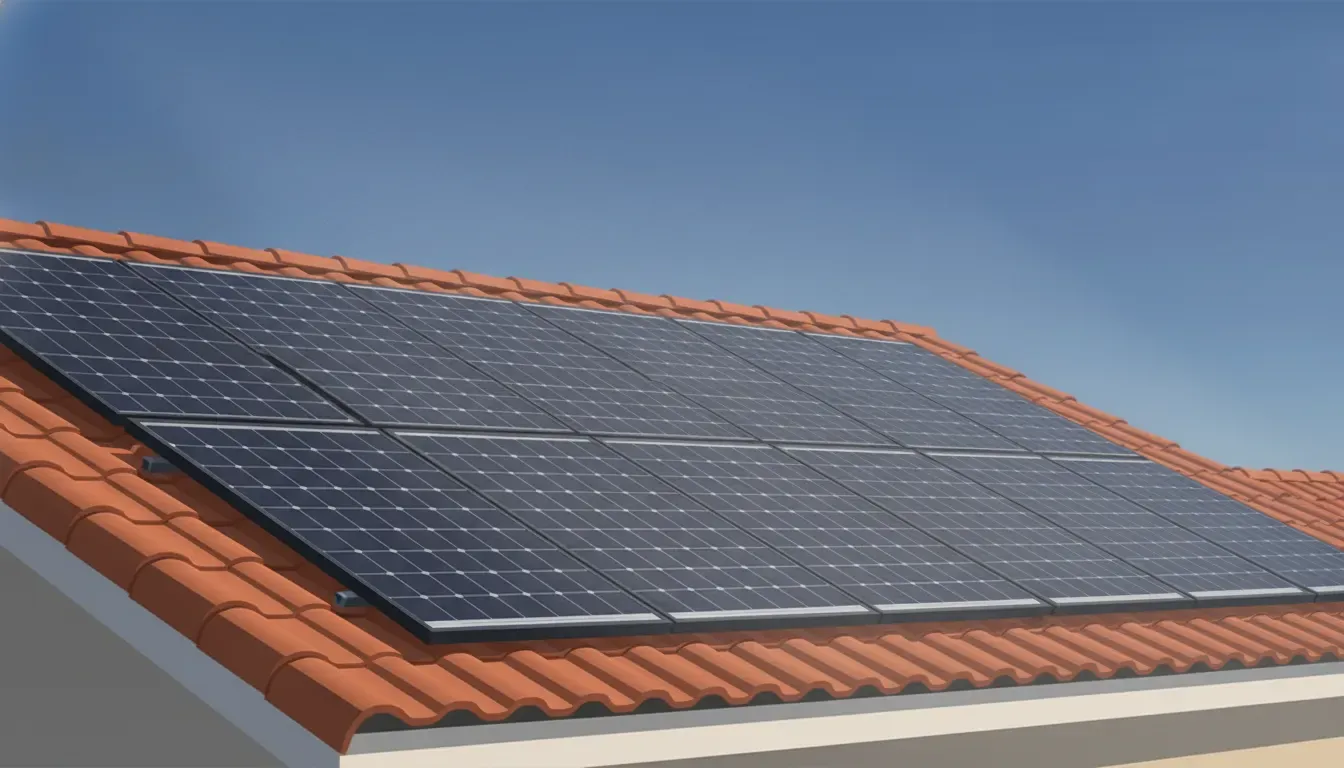
Qcells efficiency is model-specific. On its product information page, Qcells lists residential models with efficiencies up to 21.1%, 21.7%, 21.9%, and 22.5%. These are manufacturer-listed maximums under test conditions, not a promise that every module will reach the same result on a finished roof. Review the current Qcells product specifications for the exact model in a proposal.
California heat is another reason not to compare efficiency in isolation. A panel’s temperature coefficient describes how output changes as the module gets hotter. Qcells lists a temperature coefficient for the Q.TRON BLK M-G2+ of -0.29% per degree Celsius. Actual production also depends on roof direction, tilt, shade, weather, soiling, system losses, and local conditions.
Sun Solar’s guide to solar panel output explains why a panel rating is only one part of the production calculation. A professional design should translate specifications into an estimated annual and monthly production profile for your roof.
What Warranties Do Qcell Solar Panels Offer?
Warranty coverage is important when evaluating qcell solar panels, but terms can vary by product family, model, purchase date, and installation agreement. Treat the current manufacturer warranty document for the exact panel as the controlling source.
Qcells states that its modules include product warranties of up to 25 years and performance warranties of up to 30 years. A product warranty generally addresses defects in the panel itself. A performance warranty addresses the panel’s expected ability to produce energy over time under the conditions defined in the warranty. These are separate protections, and neither automatically replaces installer workmanship coverage.
| Coverage | What it generally addresses | What to confirm |
|---|---|---|
| Product warranty | Defects or failures in the panel and materials. | Exact term, exclusions, remedy, and transfer rules. |
| Performance warranty | Minimum production level over a stated period. | Term, degradation schedule, testing method, and claim requirements. |
| Workmanship coverage | Installation issues involving mounting, wiring, or roof penetrations. | Who provides it, how long it lasts, and the service process. |
| Service coordination | Communication among homeowner, installer, and manufacturer. | Who diagnoses the issue and coordinates a repair or claim. |
Degradation is the gradual reduction in a panel’s output over time. A performance warranty should be read alongside the product warranty and the installer’s workmanship terms. Before signing, ask for the model warranty and a clear explanation of who starts and manages a claim.
How Should California Homeowners Compare Qcells With Other Panels?
Compare Qcells with alternatives by the job your system needs to do, not by a single brand label. Start with roof space, shade, energy use, appearance, warranty terms, and whether you plan to add a battery. A panel can look strong on a specification sheet but still be a poor fit if the layout does not match your roof.
Sun Solar’s public premium panel partner page lists Maxeon, REC, Trina Solar, Canadian Solar, Mission Solar, and Enphase technology. Qcells is not listed on that page, so homeowners should ask Sun Solar whether a specific Qcells model is currently available for their project. Do not treat this article or a general manufacturer page as confirmation of current inventory or installer availability.
| Factor | Qcells question | Proposal comparison question |
|---|---|---|
| Limited roof space | What is the exact model efficiency and wattage? | How many modules and how much roof area does the design require? |
| Hot inland climate | What temperature coefficient is listed on the data sheet? | How does the production estimate account for heat? |
| Complex or shaded roof | How will shade affect the array layout? | Would module-level electronics improve monitoring or service? |
| Future battery | How does the proposed equipment work with storage? | Can the system be expanded, and what equipment would change? |
| Long-term service | Who coordinates a manufacturer claim? | What workmanship and maintenance support is included? |
Keep the comparison grounded in the exact model documents. Review product coverage, performance coverage, installer workmanship, inverter architecture, monitoring, and service support together. Enphase microinverter technology may be relevant to panel-level power conversion, but it is an equipment-architecture comparison rather than a direct panel-to-panel comparison in every proposal.
Are Qcell Solar Panels a Good Fit for California Homes?
Qcell solar panels can be a practical fit for many California homes, but the complete system design matters more than the brand name alone. A compact roof with limited usable area may benefit from a higher-efficiency model, while a larger unshaded roof may allow more flexibility. Roof orientation, tile type, setbacks, vents, and future roof work affect how many panels can be installed.
California heat deserves attention during the design review. Modules are tested under standard conditions, while a roof in the Central Valley or another hot inland area can operate at much higher temperatures. Ask the installer to compare the exact Qcells model under local conditions rather than treating a laboratory efficiency figure as a household production guarantee.
Your utility territory and energy-use schedule matter as well. The California Public Utilities Commission maintains current net energy metering and net billing guidance. Because exported energy and onsite use can be treated differently, daytime loads such as pool equipment, cooling, or electric-vehicle charging may influence the design, while evening-heavy use can make storage more important.
Sun Solar offers home battery storage options, but battery sizing should follow the home’s load profile, outage priorities, roof production, and utility context. Sun Solar also reports more than 15 years of California solar experience and installs systems on tile roofs. A home-specific review is the best way to determine whether Qcells, another panel brand, or a different combination is the sensible fit.
What Should You Ask Before Choosing Qcells?
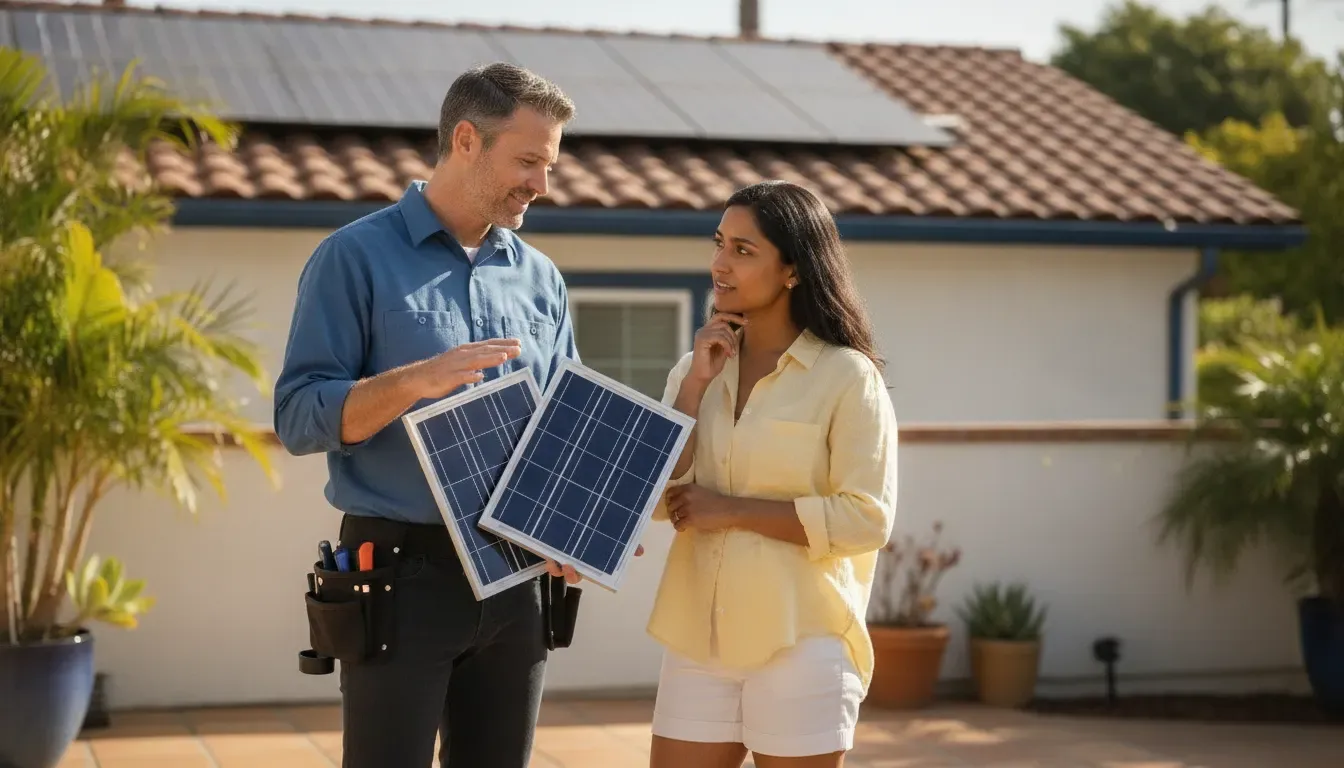
A panel brand name is only the starting point. Ask for the details below so you can compare the proposed equipment with your roof, energy use, and long-term plans.
- Which exact Qcells model is included? Ask for the full model name and current manufacturer data sheet.
- What are the panel’s rated wattage and efficiency? Confirm how those figures affect the number of modules needed.
- What production assumptions support the design? Ask about roof faces, tilt, shade, weather data, and annual usage.
- What does each warranty cover? Separate product, performance, inverter, and workmanship coverage.
- How will my roof affect the layout? Discuss roof age, usable area, setbacks, mounting points, and any planned reroof.
- Which utility rules and rate structure apply? Ask how export rules, time-of-use rates, and expected loads affect sizing.
- Should the design include a battery? Discuss backup power, critical loads, and future expansion.
- What alternatives should I compare? Request at least one alternative using the same roof and production assumptions.
What Are Common Questions About Qcell Solar Panels?
Are Qcells good solar panels?
Qcells can be a strong option for many California homes, but the right choice depends on the model and complete system design. Compare efficiency, temperature behavior, warranty terms, roof space, shade, energy use, and battery plans rather than judging the brand by name alone.
Who manufactures Qcell solar panels?
Qcells is a solar manufacturer owned by Hanwha. Its manufacturer pages describe residential and commercial product families, so review the exact model and current warranty document in any proposal.
How long do Qcell solar panels last?
Expected service life depends on the model, installation, environment, and maintenance. Review the product and performance warranty for the exact panel, then compare its degradation terms with the expected life of the complete system.
Do Qcells work well in California heat?
They can, but heat should be evaluated through the panel’s temperature coefficient and the home’s roof conditions. Ask for the exact data sheet and modeled production for your roof, orientation, shade, and local climate.
Does Sun Solar install Qcells?
Sun Solar’s public premium panel page lists several other technology partners, but product availability can change. Ask Sun Solar whether a specific Qcells model is currently available for your project, and compare it with the options identified in your proposal.