

Solar Inspection Companies: What a Panel Check Covers
A solar array can look perfectly clean while losing performance because of a loose connection, inverter issue, roof penetration, or damage hidden beneath the panels. That is why a professional inspection is more than a quick rinse or a visual glance from the ground.
Reliable solar inspection companies evaluate the complete system, including panel condition, wiring, racking, roof areas around mounts, inverter performance, grounding, disconnects, and monitoring data. Routine checks help identify small problems before they become costly failures, while giving homeowners and businesses a clearer record of system health over time.
Sun Solar Pros is a locally owned and operated Central and Southern California company with eighteen years in the solar business and NABCEP-certified installers on staff. A thorough inspection explains what needs attention now, what can simply be monitored. And whether a repair is genuinely necessary, so you are never pressured into work you do not need. Here is what a professional panel check should cover.

What Does a Professional Solar Inspection Cover?
A professional inspection is much more than checking whether dust has collected on the glass. It combines a visual review with electrical and performance diagnostics to identify problems that may be difficult to see from the ground. NREL notes that rigorous inspection methods can reveal system health issues beyond cleaning, including connection degradation and module failures. Read NREL’s overview of solar panel health diagnostics.
- Panels and modules: The inspector looks for cracked glass, discoloration, hot spots, loose frames, visible microcracks, and damage from branches, birds, or other impacts. Thermal or other diagnostic methods may help identify faults that a basic visual check misses.
- Inverter performance: Because the inverter converts the panels’ DC electricity into usable AC power, its operating condition matters to the whole system. A professional checks output, error history, cooling, and available software diagnostics. An inverter can lose efficiency without displaying an obvious failure message.
- Wiring and connections: Technicians inspect conductors, connectors, junction points, and conduit for loose connections, weathering, exposed insulation, or rodent damage. These checks help identify both performance losses and electrical hazards.
- Racking and mounting hardware: The racking is checked for loose fasteners, corrosion, movement, and other signs that the array may not be securely supported. Mounting hardware must remain stable through wind and changing weather conditions.
- Roof and penetrations: The inspection includes the areas around mounts and roof penetrations, looking for failed seals, aged flashing, or potential leak points. This is especially important before roof work and on tile roofs, where installation details require careful attention.
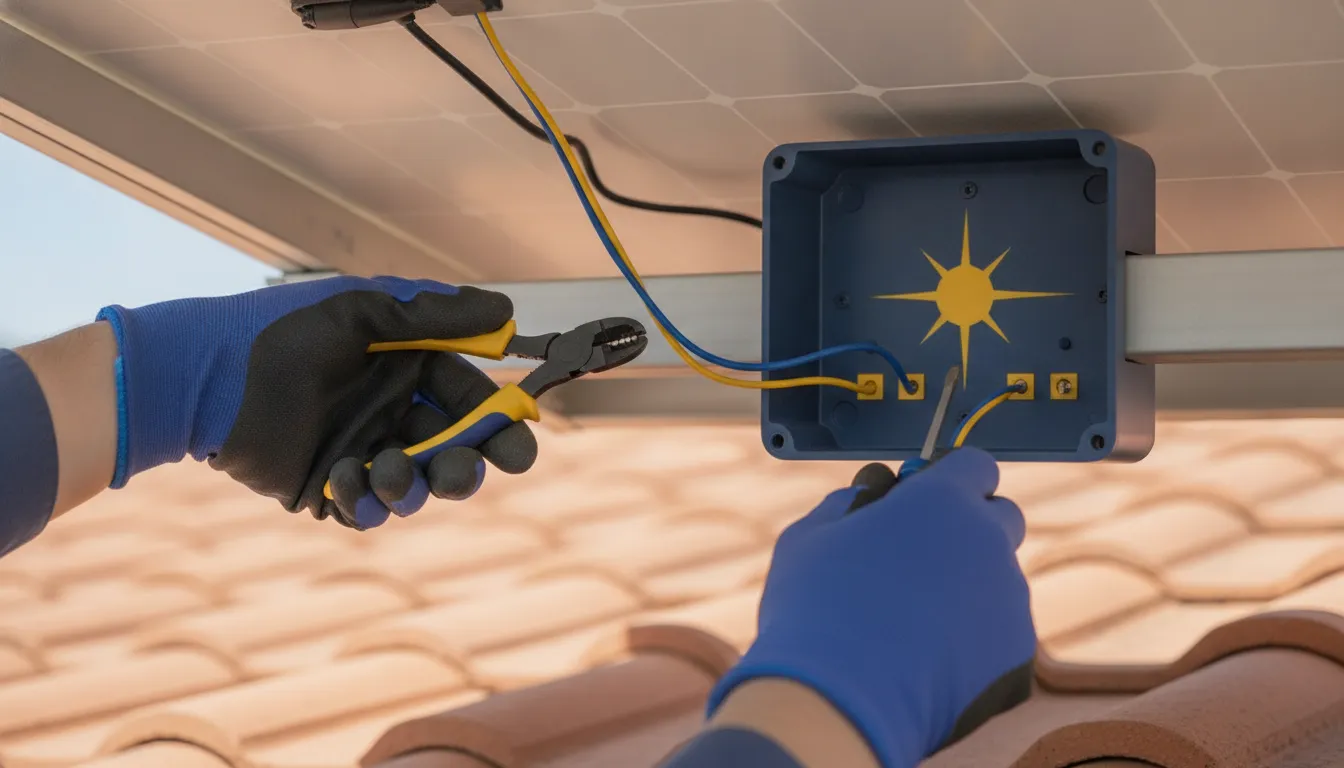
A technician checks the wiring beneath a rooftop panel as part of a broader electrical and structural review.
- Grounding and disconnects: The inspector verifies grounding integrity and confirms that emergency disconnect switches are accessible, clearly marked, and functional. These are safety checks, not optional finishing details.
- Shading: Trees, new construction, and seasonal growth can create shading that was not present when the system was installed. The inspector evaluates whether changed shade patterns may be reducing production.
- Monitoring data: The technician reviews production history, alerts, inverter reports, and panel-level trends when available. Monitoring data can show gradual underperformance that a single visit cannot. For homeowners considering solar or service work, contact Sun Solar Pros about a solar inspection and ask for a review that covers the entire system, not just panel cleaning.
After the visit, a useful inspection report should distinguish normal wear from actionable defects. Document findings with photos when appropriate, and explain which items need immediate attention versus routine follow-up.
Why Routine Solar Panel Checks Matter
A solar system can continue producing power while developing problems that are not obvious from the ground. A loose connection, weathered wire, mounting issue, or gradual inverter decline may reduce output before a monitoring alert appears. Routine inspections create an opportunity to find those smaller concerns while they are still manageable, rather than waiting for a major failure and a larger repair bill. Preventative inspections generally cost less than reactive repairs when minor defects are allowed to escalate, according to industry inspection guidance.
Regular maintenance also supports the long-term performance of the equipment. The U.S. Department of Energy recommends an operations and maintenance approach that helps minimize downtime, optimize photovoltaic performance, and extend system longevity. Keeping panels, electrical components, inverters, and mounting hardware in good working condition helps protect the production your system was designed to deliver. That matters to your ROI: every period of avoidable underproduction can reduce the energy savings you expected from the installation.
Maintenance records may also protect your coverage. Many manufacturers require proof of regular maintenance or professional inspections for certain warranty claims. Keep inspection reports, photographs, invoices, and repair recommendations in one place, and review the requirements for your specific equipment. Sun Solar Pros can help you understand the documentation needed for your system. You can also review the details of our 25-year production warranty and your applicable manufacturer terms.
A documented service history is useful beyond warranty questions. If you sell a home with solar, buyers and their representatives may want evidence that the system has been monitored and cared for. A recent report can show system condition, identify completed work, and make the transfer process more transparent. It may also support the value of the solar investment by giving buyers more confidence than an undocumented system can provide. Routine maintenance can include panel performance analysis and other records that help establish this history. Learn more about routine solar maintenance and how cleaning fits into a broader system-care plan.
For commercial properties, inspections serve an additional purpose. Larger systems carry greater operational and financial stakes, and ongoing checks can help businesses maintain applicable utility, insurance, and local building-code requirements. Requirements vary by site, equipment, and jurisdiction, so an inspection is not a substitute for confirming the rules that apply to your installation. It is one practical way to identify documentation gaps, verify safety-related components, and keep maintenance planning organized. Inspections can also help owners maintain the condition needed to realize the full value of available solar incentives and tax benefits. A clear record gives your team a stronger basis for planning service, evaluating performance, and protecting the system over its useful life.
When Do You Need a Solar Panel Inspection?
A solar inspection is useful whenever you need confidence that your system is safe, producing as expected, and not creating problems for the roof beneath it. For most homeowners, a professional inspection every three to five years is a reasonable general maintenance cadence. The right interval can be shorter for older systems, properties with difficult roof access, or installations exposed to demanding weather. Routine checks also support long-term performance and help identify small issues before they become expensive failures. The U.S. Department of Energy notes that proactive photovoltaic maintenance can reduce downtime and support system longevity.
- After severe weather: Schedule an inspection after hail, high winds, heavy storms, or other extreme weather. Damage is not always visible from the ground. A qualified technician can look for cracked modules, shifted mounting hardware, damaged wiring, water intrusion, and other structural or electrical concerns. NREL research emphasizes the importance of post-event checks as photovoltaic systems are exposed to extreme weather and aging: learn more about extreme-weather impacts on solar systems.
- Before or after roof work: Contact a solar professional before a reroofing project, roof repair, or major construction near the array. The system may need to be safely removed and reinstalled, and the roof penetrations and mounting points should be checked afterward. An inspection after the work can confirm that panels, racking, wiring, and production are back in proper condition.
- After buying a home with solar: If you inherited the system from a previous owner, arrange an inspection even when the panels appear clean. You may not have complete installation records or know whether the inverter, monitoring equipment, roof attachments, and electrical components have received proper maintenance. A baseline report gives you a practical service history and identifies priorities.
- When production drops: A sudden or gradual decline in energy output deserves attention, especially if your utility bills rise or monitoring data shows an unexpected change. Cleaning alone may not solve the problem. Professional diagnostics can help distinguish shading, inverter trouble, wiring issues, module damage, or monitoring errors. If your system is not performing normally, use this expert solar system inspection checklist before scheduling service.
- Before selling the property: A recent inspection and written report can answer buyer questions about system condition, roof penetrations, production, and remaining maintenance needs. Keep the report with your solar and warranty records so the next owner has a clearer picture of the installation.
Visual inspection is a foundational part of photovoltaic operations and maintenance because it provides an organized way to review safety, condition, and potential code concerns. It should complement, not replace, electrical testing and performance analysis. When the timing is uncertain, an inspection is a sensible first step before deciding whether the system needs cleaning, repair, or more involved work.
Solar Inspection vs. Solar Repair: What’s the Difference?
An inspection and a repair solve different parts of the same problem. An inspection is a diagnostic audit. It examines the system, identifies what is wrong or at risk, and gives you a clear basis for deciding what to do next. A repair is the hands-on work that corrects a specific fault after it has been identified.
That order matters. Replacing a component without confirming the cause can leave the real problem unresolved, while an inspection without follow-through will not restore a system that has a damaged part. A qualified technician can inspect the array, explain the findings, and recommend only the repairs the system actually needs.
| Solar inspection | Solar repair |
|---|---|
| Purpose: Find and document faults, safety concerns, performance losses, or signs of developing damage. | Purpose: Correct a diagnosed fault so the system can operate safely and reliably. |
| What it examines: Panels, wiring, electrical connections, inverter performance, racking, roof penetrations, grounding, disconnects, and monitoring data. | What it may involve: Replacing a damaged panel, repairing wiring, changing an inverter, re-fastening racking, or correcting a failed connection. |
| What you receive: A written record of findings, typically with photos and recommendations for any needed repair. See an example of inspection report documentation. | What you receive: A completed corrective service, with the technician confirming that the affected component or connection has been addressed. |
| When it helps: Before roof work, after severe weather, when production drops, or when you want a baseline condition report. | When it helps: After an inspection identifies a failed or unsafe component, or when a known issue requires immediate attention. |
Why inspection usually comes first
A visible symptom, such as lower production, does not always reveal the underlying cause. The issue could involve a panel, inverter settings, wiring, shading, or a connection that has deteriorated over time. A diagnostic inspection narrows the problem before repair decisions are made. It can also uncover small defects before they become expensive failures. Preventative inspections may cost less than reactive repairs when minor issues are addressed early, as outlined in this inspection and repair overview.
If the report identifies a problem, Sun Solar Pros can help you move from diagnosis to resolution with professional solar repair or service through residential solar repair. The goal is not to sell an unnecessary replacement. It is to understand the system, fix the specific fault, and protect dependable production.
How to Choose the Right Solar Inspection Companies
Not every solar contractor approaches an inspection with the same level of care. Look for a provider that can evaluate the complete system, explain what the findings mean, and recommend action only when the evidence supports it. A qualified professional can identify hidden wiring faults, cell microcracks, and other issues that may not be visible from the ground. Certified solar inspectors are trained to look beyond obvious panel dirt or a single monitoring alert.
- Verify credentials and licensing. Ask whether the technician has NABCEP certification or comparable PV training, and confirm that the company is properly licensed to perform solar and electrical work in California. Solar systems involve high-voltage equipment, so inspections should be handled by qualified professionals trained for PV systems, not a general handyman. Sun Solar Pros works with NABCEP-certified installers and has served California property owners for more than 18 years.
- Ask about your equipment. The provider should be comfortable evaluating your panel brand and inverter, whether your array uses Maxeon, REC, Enphase, Tesla Powerwall, or another combination. Experience with the equipment matters because inverter diagnostics, firmware, monitoring data, and manufacturer requirements vary. A strong inspection also considers the roof, mounting hardware, electrical connections, grounding, disconnects, and signs of weather or rodent damage.
- Choose a genuinely local team. A local company is easier to reach when you need follow-up, roof coordination, or help interpreting a performance change. Sun Solar Pros serves more than 40 cities from regional hubs including Bakersfield, Fresno, Visalia, and San Luis Obispo. You can learn more about the company and its NABCEP-certified team before scheduling service.
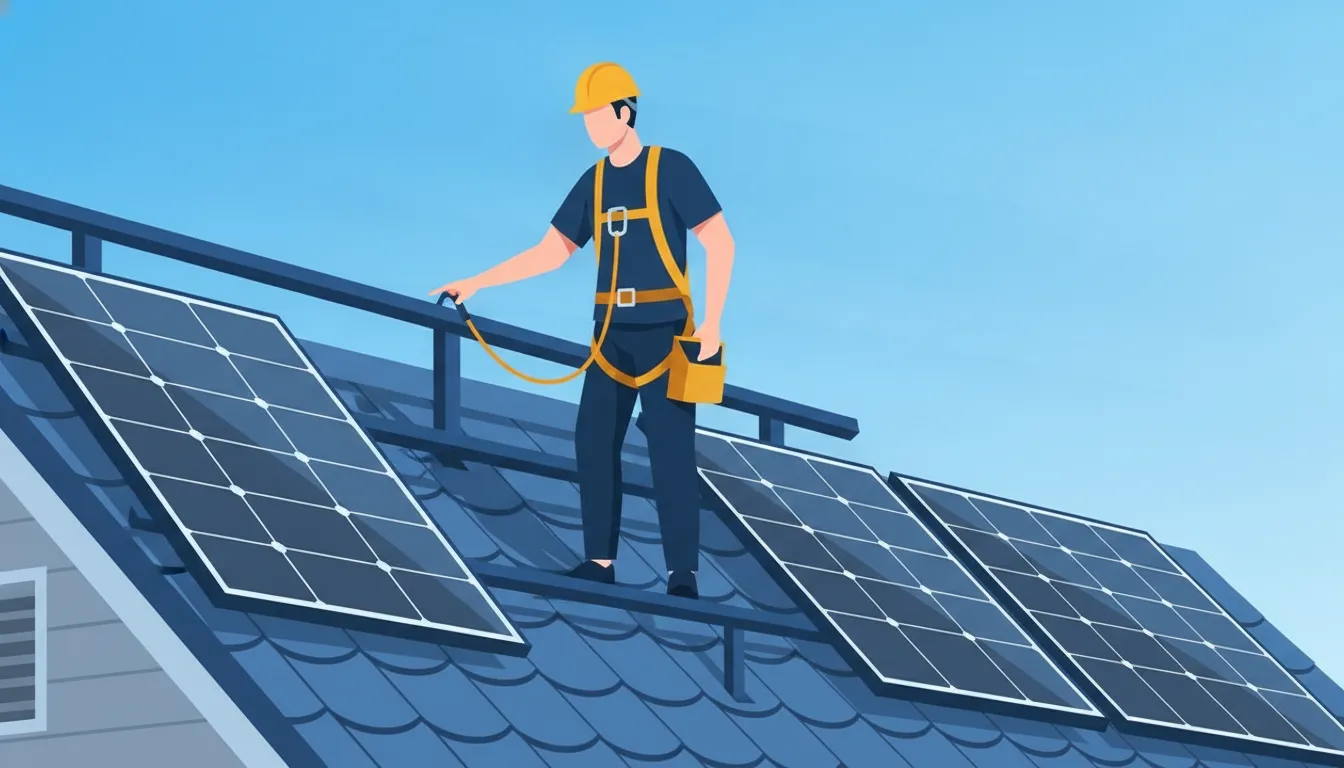
A technician checking mounting fasteners is looking for more than a cosmetic problem. Loose hardware, roof penetration concerns, or shifting equipment can become safety and water-intrusion issues if ignored.
Insist on a useful written report. The final report should identify what was inspected, document system performance, include clear photos of notable conditions, and separate urgent concerns from routine recommendations. It should also explain whether a repair is actually needed and why. Be cautious if a provider offers only a verbal assessment or immediately recommends replacing equipment without showing test results.
Finally, pay attention to how the company communicates. An honest inspector will tell you when the system is operating normally, even if that means no immediate repair. Sun Solar Pros takes a consultative approach, using inspection findings and performance data to help homeowners make informed decisions. If you need a complete evaluation for your home, contact Sun Solar Pros about a solar inspection and ask what the visit and report will include.
Frequently Asked Questions
How much does a solar inspection cost?
There is no single price because cost depends on system size, roof access, equipment, travel, and whether diagnostic testing or a written report is needed. Ask for an itemized estimate that separates the inspection from any recommended repair. A professional evaluation should explain what was checked before you approve additional work.
Who do I get to check my solar panels?
Choose a qualified solar professional trained to work safely with high-voltage photovoltaic equipment. Look for relevant certification, California licensing, experience with your inverter and panel brands, and a clear report with photos. The right provider checks the complete system, not just the visible panel surfaces.
How often should solar panels be inspected?
For many residential systems, a professional inspection every three to five years is a reasonable baseline. With more frequent checks when the manufacturer, warranty, site conditions, or system performance calls for them. Schedule another inspection after hail, high winds, or severe storms, and before roof work. NREL guidance emphasizes routine inspections for long-term system reliability.
What is checked during a solar panel inspection?
A thorough inspection reviews panel condition, racking, roof penetration points, wiring, connections, grounding, disconnects, inverter operation, shading, and monitoring data. The technician may also look for weathering, loose hardware, animal damage, or performance changes that cleaning alone would not reveal. You should receive findings and practical next steps.
Can a solar panel inspection lower my energy costs?
An inspection does not lower a utility rate, but it can uncover faults, shading, monitoring problems, or declining output that keep the system from producing as expected. Addressing a confirmed issue may restore generation and reduce the need to buy electricity from the utility. Savings depend on the problem found, repair cost, weather, and your usage.
Ready to Schedule Your Solar Inspection?
A professional system check can help you understand how your panels, inverter, wiring. And roof connections are performing, so you can protect your solar investment with informed maintenance decisions. When you are ready to take the next step, call Sun Solar Pros at 661-379-7000 to schedule a professional solar inspection with a knowledgeable local team.