

Solar Panel Installation Process in California: 9 Steps
The solar panel installation process is more than putting panels on a roof. For a California homeowner, it includes evaluating the property, designing a right-sized system, securing permits, coordinating with the utility, completing inspections, and receiving permission to operate. Knowing what happens at each stage makes the project easier to plan and helps you ask better questions before signing.
What Is the Solar Panel Installation Process in California?
The solar panel installation process in California usually moves through nine stages: consultation, site assessment, system design, contract and disclosures, permitting, equipment ordering, physical installation, inspection, and utility approval. The installer coordinates most technical and administrative work, while the homeowner supplies information, reviews documents, and makes the decisions that shape the system.
Although the sequence is fairly consistent, the details vary by city, county, utility territory, roof type, and whether you add a battery. A project served by Pacific Gas & Electric (PG&E), Southern California Edison (SCE), or San Diego Gas & Electric (SDG&E) may follow a similar path but use different application portals and review requirements.
- Consultation: Review your goals, electricity use, roof, financing or purchase options, and battery needs.
- Site assessment: Confirm roof condition, usable roof area, shade, electrical equipment, and access.
- System design: Size and lay out the panels, inverter equipment, and optional storage.
- Contract and disclosures: Review the agreement, warranties, production expectations, and California consumer documents.
- Permits and interconnection: Submit plans to the local authority having jurisdiction and the utility.
- Equipment and scheduling: Finalize equipment, coordinate delivery, and set the installation date.
- Installation: Install the racking, panels, inverter, wiring, disconnects, and battery if included.
- Inspection: The city or county checks the completed system for code and safety compliance.
- Permission to operate: The utility approves interconnection, then the system is activated and monitoring is set up.
How Long Does Solar Installation Take in California?
For Sun Solar Pros, a typical residential project takes approximately 12 weeks from contract to activation, although the actual calendar can be shorter or longer. The physical installation commonly takes one to three days. Permitting, utility review, equipment availability, roof conditions, and local inspection schedules usually account for more time than the work on the roof.
| Phase | Typical timing or milestone | What affects it |
|---|---|---|
| Evaluation and design | Early project weeks | Energy history, roof complexity, shade, and design revisions |
| Contract, equipment, and permits | After design approval | Document completeness, equipment selection, and local jurisdiction review |
| Physical installation | Usually 1 to 3 days | System size, roof type, electrical work, weather, and battery installation |
| Inspection and corrections | After construction | Inspector availability and whether the installation passes the first visit |
| Utility approval and activation | Final project stage | Utility engineering review, meter work, and complete interconnection paperwork |
These are planning ranges, not a guarantee. Ask for a written project schedule with milestones for design approval, permit submission, installation, inspection, and permission to operate. That is more useful than a single promised completion date.
What Happens During the Solar Site Assessment?
A site assessment confirms whether your home can support a productive and code-compliant solar system. The installer reviews the roof, shade, electrical service, equipment locations, and household energy use. The goal is not simply to fill available roof space, but to build a system that matches your consumption, roof life, safety requirements, and California utility rules.
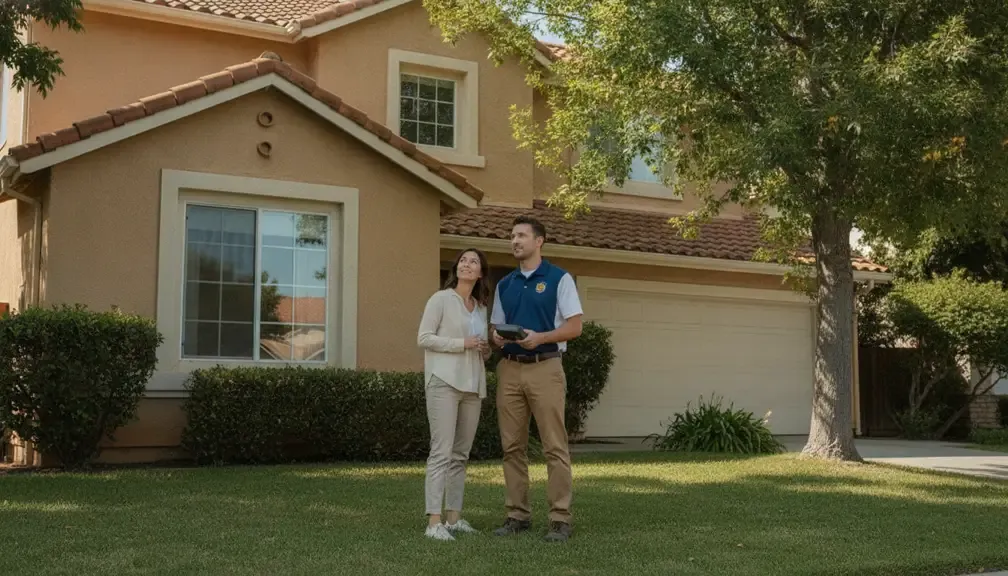
Roof condition and layout
The installer looks at roof age, slope, orientation, usable planes, penetrations, and access. If a roof is near the end of its service life, discuss whether roofing work should happen before the solar array. Sun Solar Pros also has experience working with tile roofs, where protecting and replacing tiles correctly matters during installation.
Shade and production conditions
Trees, neighboring buildings, roof vents, and seasonal sun angles can change production. A quality assessment identifies shade rather than assuming every roof plane will perform the same way. The design may use different equipment or panel placement to manage those conditions.
Electrical service and equipment location
The team checks the main service panel, meter location, available capacity, grounding, and a practical route for conduit and wiring. The inverter and, if applicable, battery storage need an installation location that meets clearance, weather, and local code requirements.
Energy use and future plans
Recent utility bills help estimate current consumption. Also mention an electric vehicle, heat pump, pool equipment, home addition, or other planned load. A system designed only around yesterday’s usage may not fit your home two years from now.
How Are Solar Panels Designed for a California Home?
Solar design turns the assessment into a panel layout, equipment plan, production estimate, and permitting package. The designer balances electricity use, roof space, shade, equipment compatibility, backup goals, and utility requirements. In California, the best design is usually built around how the household will use energy, not just the maximum number of panels that fit.
The design conversation should cover:
- System size: How much of your annual usage the system is intended to offset and why that size is appropriate.
- Panel selection: How panel efficiency, warranty, appearance, and available roof area affect the recommendation. Sun Solar Pros offers premium options through its premium solar panel partners.
- Inverter architecture: Whether the project uses string inverters, power optimizers, or microinverters, and how the choice fits shade and maintenance needs.
- Battery storage: Whether storage supports backup power, shifts solar energy into evening use, or fits the household’s resilience goals. Review home battery storage options separately from the panel decision.
- Utility and code requirements: The plan must satisfy the local authority and the serving utility before the system can receive approval.
California’s Solar Billing Plan, often called NEM 3.0, also makes the timing of energy use an important design question. Ask how the proposal accounts for daytime production, evening consumption, and battery operation rather than relying on a generic production estimate.
Who Handles Permits and Utility Interconnection?
In a standard full-service project, the solar installer prepares and submits the technical plans, permit applications, and utility interconnection paperwork, while the homeowner reviews and signs the documents that require customer authorization. The city or county reviews building and electrical safety. The utility reviews the connection to its grid and issues permission to operate after the required steps are complete.
California homeowners should read the California Solar Consumer Protection Guide before signing. The California Public Utilities Commission says customers should have time to review it, and the guide explains important contract, provider, and consumer-protection information. You can also use the California Contractors State License Board solar resources to check licensing information.
For PG&E customers, the utility explains that the contractor helps choose the system, processes the interconnection application, and coordinates the approval sequence. Its Getting Started with Solar guide also reminds homeowners not to turn on a system before receiving official permission to operate. SCE, SDG&E, and other California utilities have their own procedures, so the installer should identify the exact utility milestone for your address.
What Should Homeowners Do Before Installation Day?
Homeowners do not need to become electricians to prepare for solar, but a few actions can prevent avoidable delays. The most helpful preparation is to provide accurate information early, make decisions in writing, and keep access clear for the installation and inspection teams.
- Gather recent electricity bills or authorize access to your usage history.
- Tell the installer about planned electric vehicles, HVAC changes, additions, pools, or other large loads.
- Review the system design, equipment list, warranties, production estimate, and payment terms.
- Read the California Solar Consumer Protection Guide and the complete contract before signing.
- Confirm whether your HOA, historic district, city, or county has an additional review process.
- Ask whether roof repairs, tree trimming, electrical upgrades, or panel upgrades are needed before construction.
- Keep the driveway, side yard, electrical panel, and attic access available as requested.
- Arrange a safe place for pets and children while crews are working.
What Happens on Solar Installation Day?
Installation day is the most visible part of the project, but it is only one stage in the full process. The crew protects the work area, installs the mounting system, places the panels, completes the electrical connections, and installs inverter equipment and storage when included. The crew should explain what work will happen and what access is required before starting.
- Site preparation: The crew confirms the layout, protects work areas, and stages materials.
- Racking and roof work: Mounting hardware is attached according to the approved plans, with attention to roof protection and water management.
- Panel placement: Panels are secured in the planned array configuration.
- Electrical work: Wiring, disconnects, grounding, inverter equipment, and required labels are installed.
- Battery installation: If included, the battery and related equipment are installed in the approved location.
- Testing and cleanup: The team checks connections, documents the work, removes debris, and prepares the project for inspection.
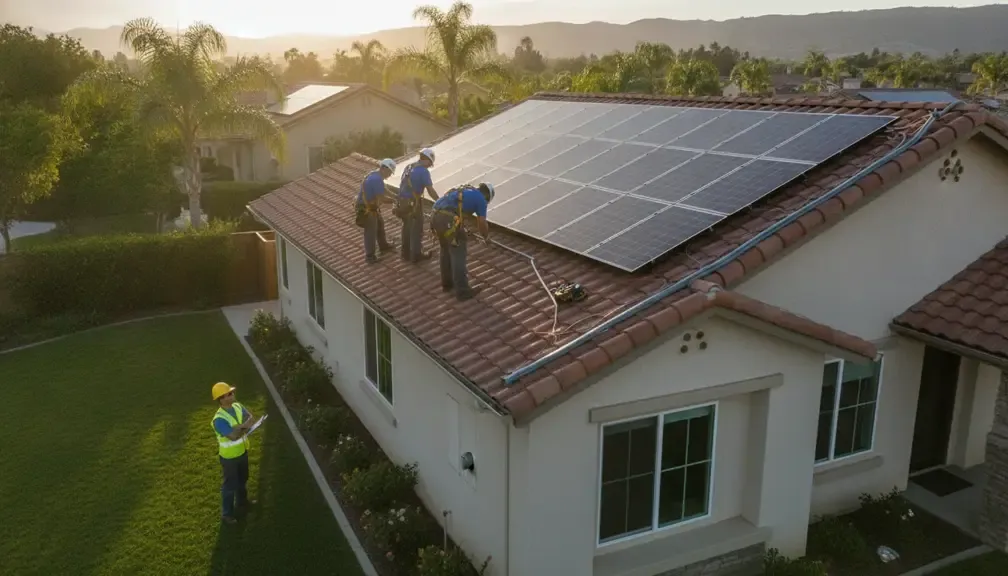
Do not assume that a finished-looking array is ready to export electricity. The system still needs the required inspection and utility approval. Your installer should tell you exactly when the system may be energized and how to use the monitoring platform.
How Do Inspection, Permission to Operate, and Monitoring Work?
After construction, the local authority having jurisdiction inspects the system for building and electrical code compliance. Once required approvals are complete, the installer submits the final utility documents. The utility then reviews the interconnection package, completes any meter or engineering steps, and issues permission to operate. Only after that approval should the system operate as directed.
At closeout, ask for:
- Confirmation that the building or electrical inspection passed.
- The utility interconnection status and the permission-to-operate notice.
- Monitoring login instructions and an explanation of normal production.
- Equipment manuals, warranty documents, and contact information for support.
- Guidance on what to do if the monitoring app shows an alert or production changes.
Monitoring is part of responsible ownership. It helps you notice a communications issue, an inverter alert, unusual production, or a change in household consumption. Sun Solar Pros also provides ongoing solar maintenance support for homeowners who need help keeping a system performing as expected.
What Can Delay the Solar Panel Installation Process?
Most delays come from dependencies outside the physical panel work. A permit correction, utility engineering review, missing customer document, equipment change, roof repair, inspection backlog, or weather event can move the schedule. A responsible installer should identify the dependency, explain its effect, and update the next milestone rather than hide the delay behind a vague completion promise.
Before signing, ask how the company handles these common issues:
- Roof repairs: Solar should not cover a roof that needs near-term replacement unless the repair plan is clear.
- Electrical upgrades: An older or constrained service panel may require additional design or utility coordination.
- Permit revisions: Local requirements can vary, and a correction request may require revised drawings.
- Utility review: The utility may request more information or identify a system upgrade requirement.
- Battery changes: Storage adds equipment, operating decisions, and sometimes extra plan-review details.
- Weather and access: Heat, rain, wind, roof access, and material delivery can affect the construction date.
A project timeline should show what is known, what is waiting on another party, and what the homeowner needs to provide. That simple distinction helps you plan around the parts of the process you can control.
What Questions Should You Ask a Solar Installer?
The best installer conversation is specific. Instead of asking only how many panels you will receive, ask how the proposed system fits your home, utility, roof, and long-term plans. Clear answers before contract signing reduce surprises during permitting, installation, inspection, and activation.
- Who completes the site assessment, system design, permit applications, and utility interconnection?
- What roof conditions, shade issues, and electrical constraints did you find?
- What system size and production estimate are you recommending, and what assumptions support it?
- Which panels, inverters, and batteries are included, and what warranties apply to each?
- How will the design support my energy use during California’s evening peak periods?
- What is the expected schedule from contract to installation, inspection, and permission to operate?
- What work or costs are excluded, such as roof repairs, tree work, electrical upgrades, or utility changes?
- Who do I contact after activation if the monitoring system reports a problem?
Sun Solar Pros takes a full-service approach that includes system design, permitting, installation, utility coordination, monitoring setup, and ongoing support. Compare each proposal on the quality of the process and the support after installation, not only on the number of panels.
Frequently Asked Questions About the Solar Panel Installation Process
California homeowners often have the same practical questions about timing, permits, roof work, and system activation. These concise answers can help you prepare for a more productive consultation.
How long does the solar panel installation process take?
A typical Sun Solar Pros residential project takes approximately 12 weeks from contract to activation, but the schedule depends on design, permitting, equipment, inspection, and utility review. The physical installation itself commonly takes one to three days.
Do solar panels need a permit in California?
Residential solar projects generally require local building and electrical review, and the exact permit process depends on the city or county. The installer typically prepares the plans and submits the permit package for the homeowner.
Can I use my solar panels before utility approval?
Do not energize or operate a new grid-connected system until the utility gives the required permission to operate and your installer confirms it is safe to do so. Ask for written confirmation of the activation milestone.
What does the homeowner handle during installation?
The homeowner usually provides energy information, reviews the design and contract, signs required customer documents, makes equipment and payment decisions, and provides access for site visits and installation. The installer generally coordinates design, permitting, construction, inspection, and interconnection.
Can solar panels be installed on a tile roof?
Solar can be installed on many tile roofs when the roof condition, attachment method, and approved design support it. Tile requires careful handling during the work, so ask about the installer’s experience with your specific roof type.
Should I add a battery during solar installation?
A battery may help with backup power and using more of your solar energy after sunset, but the right choice depends on your goals, load profile, utility plan, and budget. Review battery sizing and operating expectations as part of the system design, not as an afterthought.
What Is the Next Step for a California Solar Project?
The next step is a site-specific consultation, not a generic panel count. A qualified installer should review your roof, electricity use, utility territory, equipment options, project timeline, and responsibilities in writing. With that information, you can compare proposals confidently and understand how the solar panel installation process will work at your home.